
Updated: 21.10.2025 • Author: Faser Kimya
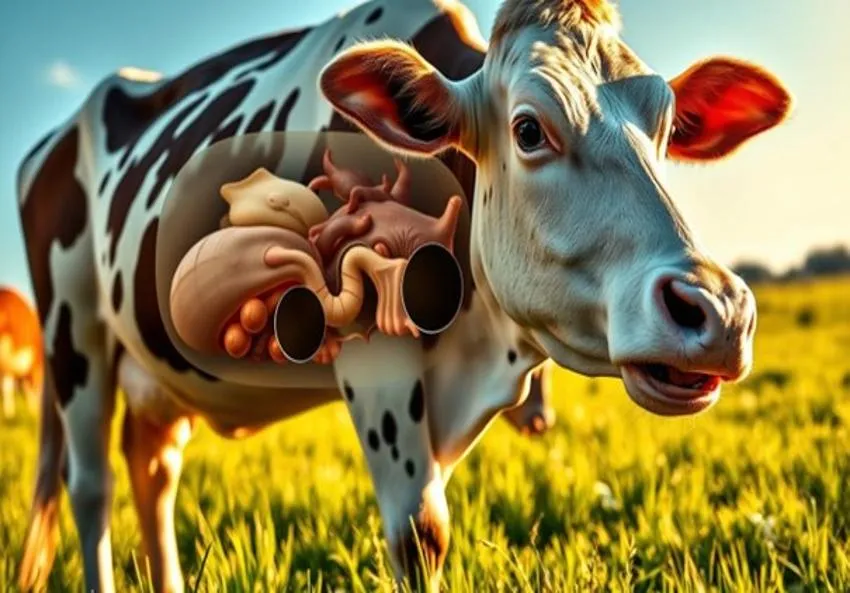
Bypass fat is a specialized feed additive used to close the energy gap and increase productivity in dairy cows. Thanks to its “rumen bypass” property, it passes the rumen without being degraded, is absorbed directly in the small intestine, and converted into energy.
Bypass fat is vital for dairy cows. It supplies high energy without harming the animal’s digestive system and increases milk yield. Determining the correct dose is critical to maximize its effectiveness.
Key Points
- Helps cover the energy deficit in dairy cows.
- Resistant to rumen degradation (rumen bypass).
- Absorbed directly in the small intestine and converted to energy.
- Improves milk yield, positively impacting farm profitability.
- Correct dosing is essential for efficacy.
What Is Bypass Fat and How Is It Produced?
Bypass fat plays a critical role in dairy cow nutrition. It is essential to meeting the cows’ energy requirements.
Definition and Core Properties
Bypass fat is a type of fat that is not broken down by rumen microorganisms. This allows direct absorption further along the digestive tract. With this feature, bypass fat differs from other fat types and is valuable for dairy cows.
- High energy content to meet demand.
- Rumen undegradable—resists fermentation.
- Direct absorption enhances efficiency.
Production Methods and Raw Materials
Bypass fat is produced by coating fats with protective materials or via specific chemical processes that prevent microbial degradation in the rumen.
Raw materials include vegetable fats, animal fats, and protective coating agents. Their quality directly affects the effectiveness of the product.
- Vegetable fats: high-quality vegetable sources.
- Animal fats: selected animal-origin fats.
- Protective coatings: ensure rumen protection.
Scientific Basis for Using Bypass Fat
Use in cows relies on the rumen-bypass mechanism and the journey of fatty acids through the digestive system. It is crucial in meeting the energy needs of high-producing cows.
Rumen Fermentation and the Bypass Mechanism
Rumen fermentation is central to digestion in dairy cows. Bypass fat resists this process, reaches the small intestine, and is digested there. Thus, fatty acids are used efficiently as an energy source.
The rumen bypass mechanism comprises biochemical processes enabling fats to reach the small intestine without exposure to rumen fermentation.
The Journey of Fatty Acids in the Gut
Fatty acids are critical to covering energy needs. Bypass fat optimizes their journey, absorption, and metabolism.
After the rumen, bypass fat proceeds to the small intestine for digestion and absorption, providing readily available energy.
Proper use supports energy balance—important for higher milk yield and improved health.
Types of Bypass Fat and Their Features
Different types offer flexibility and options in dairy nutrition. Main types include calcium soaps, fractionated bypass fat, and hydrogenated fats—obtained via different methods and inputs.
Calcium Soaps (Saponified Fats)
Calcium soaps are calcium salts of fatty acids. They are not digested by rumen microbes and therefore support the bypass effect.
- Easy to use
- High energy density
- Potential to increase milk yield
Fractionated Bypass Fat and Advantages
Fractionation separates specific components to improve digestibility and energy efficiency.
Advantages include higher energy density and better matching to the cow’s nutritional needs.
Hydrogenated Fats and Uses
Hydrogenation of unsaturated fatty acids increases stability and shelf life.
Hydrogenated fats serve as an energy source and may favorably influence milk fat composition.
Altogether, these types add flexibility for tailored rations.
Right Timing for Use in Cows
Timing depends on multiple factors. To boost milk yield and protect health, use should be planned appropriately.
By Lactation Stage
In early lactation, energy demand is high; bypass fat can help cover it.
- Early lactation: supports higher yield.
- Mid lactation: can improve milk quality.
- Late lactation: helps maintain energy balance.
Dry Period and Transition
These periods are critical. Use may help preserve energy reserves and reduce post-calving complications.
Using bypass fat during the dry period helps maintain energy balance.
Seasonal Effects
Heat stress and other seasonal factors raise energy needs; bypass fat can help meet them.
Correct timing maximizes yield and supports health.
Correct Dosage and Application
Dose and application determine efficacy. When used correctly, bypass fat can enhance milk production.
Dosage by Group
Base dosing on lactation stage, age, and production level. Higher-yielding cows may need more.
| Animal Group | Recommended Dose |
|---|---|
| Cows in Lactation | 500–700 g/day |
| Cows in Dry Period | 200–300 g/day |
Note: The final dose must be set by a veterinarian/nutritionist considering lactation stage, energy/protein balance of the ration, and performance targets.
Mixing into the Ration
Mix carefully to ensure homogeneous distribution so each cow receives the intended amount.
“Homogeneous mixing of bypass fat is critical for improving milk yield.”
Gradual Introduction and Adaptation
Introduce gradually to allow the digestive system to adapt and reduce digestive upsets.
Correct dose and application are vital for efficiency; choose the best method for your farm conditions.
Benefits in Dairy Cows
Bypass fat supports both health and performance, improving yield, quality, and reproduction.
Effects on Milk Yield and Quality
Studies show average increases of 5–7% in milk yield. Composition can also improve—better fat and protein balance.
Role in Increasing Milk Fat
Because it bypasses the rumen and is absorbed directly, it supports milk fat synthesis.
- Increases milk fat percentage
- Improves quality
- Supports industrial dairy output
Effect on Reproductive Performance
By meeting energy needs, it supports reproductive health—higher fertility and fewer post-partum issues.
Energy Balance and Bypass Fat
Crucial for maintaining energy balance, especially when intake lags behind demand.
Negative Energy Balance
Common early in lactation, leading to lower yield, impaired reproduction, metabolic issues, and weaker immunity.
Closing the Gap with Bypass Fat
By passing the rumen and being absorbed in the small intestine, it supplies dense energy to close deficits.
Especially useful in early lactation to raise yield and reduce metabolic disorders.
Preventing Ketosis and Other Metabolic Diseases
Research supports its role in reducing ketosis risk—a frequent and serious metabolic disorder in dairy cows.
Ketosis Development and Risk Factors
Arises when energy needs are unmet—particularly in early lactation. Nutrition gaps, stress, and environment contribute.
Effects on Other Metabolic Diseases
| Metabolic Disease | Effect of Bypass Fat |
|---|---|
| Ketosis | Risk reduction |
| Fatty Liver Syndrome | Protective effect |
Economic Analysis
Economic evaluation reveals the true value on dairy farms by weighing costs against gains in yield and quality.
Cost–Benefit Calculation
Consider product price and ration adjustments. If yield gains outweigh added cost, use is economically sound.
Use Cases from Farms in Türkiye
A farm in Konya reported a 12% increase in milk yield and improved profitability after adoption.
Long-Term Benefits
Beyond yield, better health can lower veterinary costs, supporting sustainable, profitable operations.
For more technical details, see the Fractionated By-Pass Fat product page.
In summary, correct dosing and application make bypass fat a powerful tool to boost yield, support health, prevent metabolic diseases, and improve farm economics.
FAQ
- What is bypass fat and how does it work? A feed additive that bypasses the rumen and is absorbed in the small intestine to supply energy.
- How is it used? Added to the ration at set rates; dose depends on production and nutritional needs.
- Effect on milk yield? Increases yield and quality while closing the energy gap.
- Does it reduce ketosis risk? Yes—by supporting energy balance.
- What is fractionated bypass fat? A type produced by special processing to improve digestibility.
- Economic benefits? Higher yield, lower vet costs, improved income.
- How to determine the right dose? Vet/nutritionist sets it based on stage, yield, and ration.
Quotation & Expert Support
Contact our team for the optimal bypass fat dose and usage plan for your ration.
